Are you standing in the appliance aisle, unsure whether to choose a front load or top load washer? You’re not alone! This decision can feel overwhelming, but don’t worry—we’re here to help you navigate the world of washing machines with ease. Whether you’re replacing an old model or equipping your new home, understanding the differences between front load and top load washers is crucial for making the right choice for your household.
Both types of washers have unique strengths and potential drawbacks. Your perfect match depends on factors like your laundry habits, space constraints, and budget. In this guide, we’ll break down everything you need to know about front load and top load washers, helping you make an informed decision that will keep your clothes clean and your home running smoothly for years to come.
Design Overview: How Top Load and Front Load Washers Work
Let’s start with the basics: as their names suggest, top load washers open from the top, while front load washers have a door on the front. However, the differences go beyond just where you load your clothes.
Top load washers come in two main types: those with agitators and those with impellers. An agitator is a central column with fins that creates a swishing action, moving clothes through the water. Impeller models use a low-profile disc at the bottom to create currents that move the clothes. Both types fill the tub with water and use motion to clean your laundry.
Front load washing machines take a different approach. They use a tumbling action, similar to clothes dryers. The drum rotates, gently lifting and dropping clothes through a small amount of water at the bottom. This creates a wash-and-tumble effect that can be highly effective at cleaning clothes.
These design differences impact everything from cleaning performance to energy efficiency, which we’ll explore in more detail throughout this guide. Understanding how each type works is the first step in deciding which will best meet your laundry needs.
Which Washer Cleans Better?
When it comes to cleaning power, both front load and top load washers can effectively clean your clothes, but they each have their own strengths.
Front Load Washers:
– Generally offer a more thorough and gentler clean
– The tumbling action is especially effective at removing tough stains
– Kinder to fabrics, making them great for delicate items
– Use less water, which can actually improve cleaning by concentrating detergent
Top Load Washers:
– Agitator models are known for cleaning heavily soiled items quickly
– The vigorous motion is great for work clothes or sports gear
– Impeller models offer a middle ground, providing a gentler wash than agitator models while maintaining the convenience of top-loading
Front load washers typically score higher in independent cleaning tests. Their tumbling action allows clothes to repeatedly drop into the water and detergent mixture, ensuring a consistent clean throughout the load. This method is particularly effective for removing ground-in dirt and stains.
However, top load washers, especially those with agitators, can handle bulky items like comforters or sleeping bags more effectively. The central agitator helps move these large items through the water efficiently.
Ultimately, both types can clean your clothes. Your choice may depend on the types of laundry you do most often. If you frequently wash delicates or are concerned about clothes wear, a front loader might be best. If you often deal with heavily soiled items and prefer shorter wash cycles, a top loader could be the way to go.
Energy and Water Usage: What to Expect
When it comes to efficiency, there’s a clear winner in the front load vs top load washer debate. Let’s break down the differences:
Front Load Washers
– Use significantly less water per load
– More energy-efficient overall
– Typically use 20-50% less water and 30-50% less energy than top loaders
– Spin cycles are usually more effective, leaving clothes dryer and reducing dryer time
Top Load Washers
– Traditionally use more water, especially models with agitators
– Newer high-efficiency (HE) top loaders have improved, but still generally use more water than front loaders
– Shorter cycle times can somewhat offset higher water usage in terms of energy consumption
The efficiency of front load washers is thoughtfully rooted in their design. By requiring only enough water to cover the bottom of the drum, they utilize a tumbling action that immerses clothes effectively, unlike top loaders which must fill the entire tub. This design choice has a direct impact on utility bills, as front load washers often lead to significant savings on water and energy over time, despite their higher initial cost. For instance, ENERGY STAR certified models—frequently front loaders—can conserve around 33,000 gallons of water throughout their lifespan.
Nevertheless, it’s important to consider that recent advancements in high-efficiency top load washers have notably reduced their water and energy consumption. While they may not yet reach the efficiency levels of front loaders, these improvements mark a significant step forward from traditional models.
In conclusion, if your primary goals are minimizing environmental impact and lowering utility expenses, opting for a front load washer seems prudent. However, for those who favor the top load design but still wish to bridge the efficiency gap somewhat, selecting high-efficiency models is advisable.
User Experience: Accessibility and Convenience
When it comes to day-to-day use, both front load and top load washers have their unique advantages. Let’s explore the user experience of each:
Top Load Washers
– Easier to load and unload, especially for those with back problems or limited mobility
– Allow you to add clothes mid-cycle in most models
– Typically have shorter cycle times
– Some users find them more intuitive to use, especially if transitioning from an older top load model
Front Load Washers
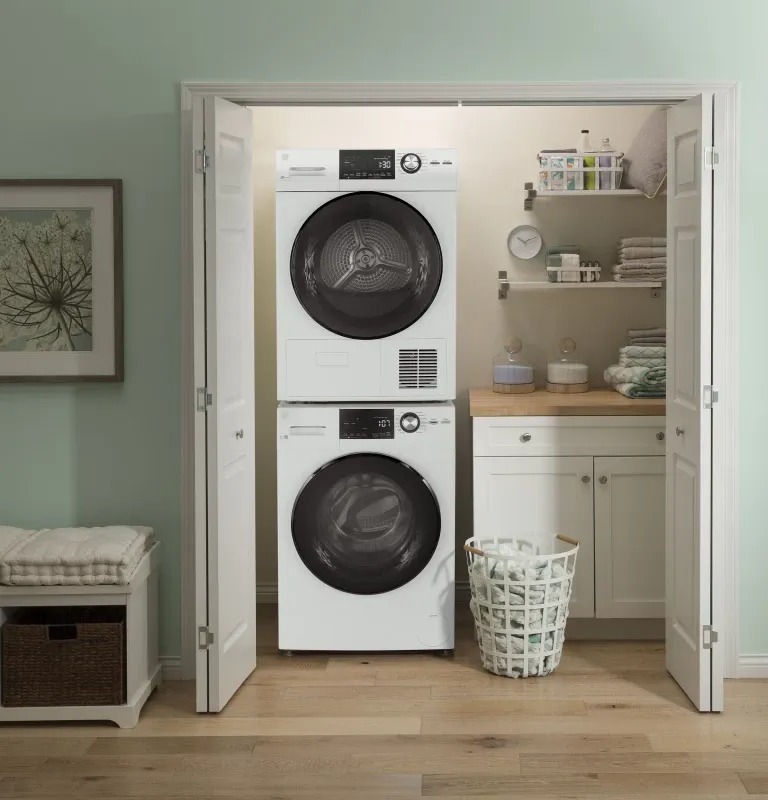
– Can be stacked with a matching dryer, saving valuable floor space
– The door can serve as a convenient shelf for folding clothes or staging the next load
– Often have larger capacity despite similar external dimensions
– Usually offer more advanced features and wash cycles
Top load washers are accessible and convenient, especially for users with mobility issues, allowing easy loading and unloading without bending. They also feature mid-cycle item addition, unlike most front loaders. Front load washers offer space-saving benefits as they can be stacked with dryers, making them ideal for small spaces. Users value the visibility of the wash cycle through the front door. Top loaders typically have shorter wash times, benefiting households running multiple loads daily. In contrast, front loaders compensate with shorter drying times due to effective spin cycles. Both washer types now offer user-friendly features like smart connectivity for remote control via smartphone. Some new front load models address common issues by adding small doors within the main door for item addition mid-cycle. Choosing between top or front load washers depends on personal preference and needs regarding laundry habits, physical capabilities, and space constraints.
Maintenance and Longevity: Which Lasts Longer?
When investing in a new washer, it’s important to consider not just the initial purchase, but also the long-term maintenance and durability. Let’s compare front load and top load washers in these aspects:
Top Load Washers
– Generally easier to maintain
– Less prone to mold and mildew issues
– Simpler mechanical design, which can mean easier and potentially less expensive repairs
– Agitator models may cause more wear on clothes over time
Front Load Washers
– Require more regular maintenance to prevent mold and odor issues
– Often have more advanced features, which can mean more complex (and potentially more expensive) repairs
– Typically gentler on clothes, potentially extending the life of your garments
– Many newer models have self-cleaning cycles and features to combat mold issues
A common concern with front load washers is mold growth around the door seal due to water collection. To prevent this, wipe the seal after each use and leave the door open. Newer models have vents or antimicrobial seals to address this issue. Top load washers, especially without agitators, are easier to maintain and less prone to mold or odor problems, but those with agitators may need occasional cleaning. Both types can last years with proper care. Longevity depends more on build quality and maintenance than washer type. Front loaders often have advanced features that might require specialized repairs. Front load washers are gentler on clothing due to their tumbling action, potentially extending fabric life and offering an indirect long-term value benefit.
Space and Layout: Which Washer Fits Better in Your Home?
When choosing between a front load vs top load washer, it’s crucial to consider your laundry space and home layout. The right choice can maximize your available space and improve your laundry room’s functionality. Let’s compare how each type fits into different home setups:
Front Load Washers
– Can be stacked with a matching dryer, ideal for small spaces or closet installations
– Require space in front for the door to swing open
– Often have slightly larger capacities despite similar external dimensions
– Some models offer reversible doors for flexible installation
Top Load Washers
– Cannot be stacked, requiring side-by-side installation with a dryer
– Need space above for the lid to open fully
– Better for rooms with limited depth but more width
– Typically easier to install and move due to their design
Front load washers are stackable, making them ideal for small laundry rooms or closet spaces by freeing up floor space. However, they need front clearance to open the door fully, though some models have reversible doors for flexibility. Top load washers fit better in rooms with limited vertical clearance and don’t require front space for a door swing. Front loaders typically offer larger capacities due to drum design, meaning fewer loads and less time doing laundry—important for large households. Top loaders are easier to install and move since they require less careful leveling. The best washer choice depends on your space and needs. Measure your area carefully, considering machine size and necessary clearance for doors or lids. If remodeling or building a home, design your laundry area around the washer type you prefer for maximum efficiency and convenience.